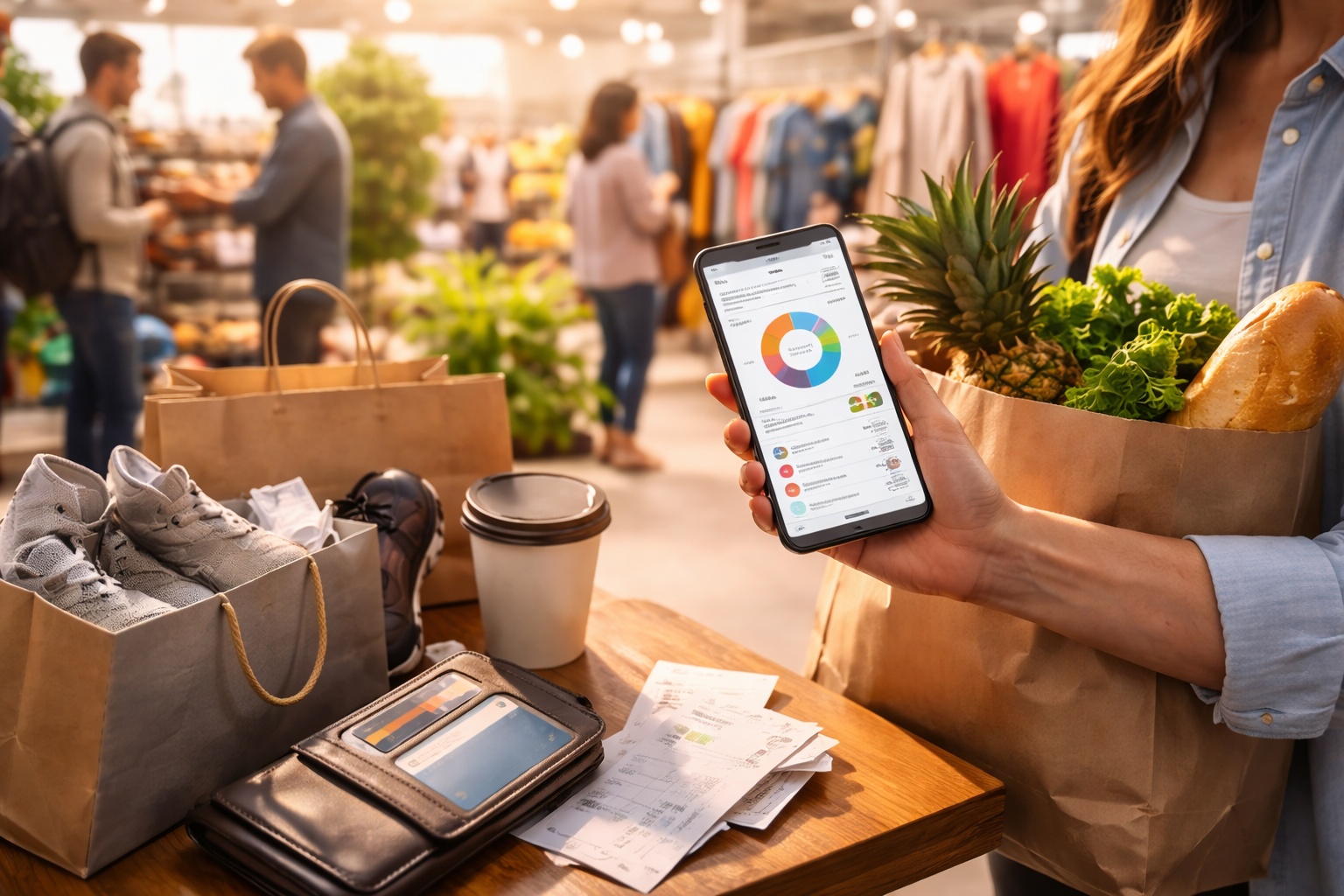
U.S. consumers are adjusting spending behavior as inflation pressures gradually ease, according to new data from economic researchers and retail analysts tracking household purchasing trends.
Reports from Deloitte and the U.S. Bureau of Economic Analysis indicate that while overall spending remains solid, consumers are becoming more selective. Spending on discretionary goods has softened, while demand for services, travel, and experiences continues to grow.
After several years of elevated prices, households appear to be regaining purchasing confidence, particularly as inflation on food and energy moderated in late 2025. However, consumers remain value-conscious, often seeking promotions and prioritizing essentials.
Retailers reported stable holiday season performance, though sales growth was uneven across categories. Apparel and electronics experienced slower growth, while dining, entertainment, and travel-related spending exceeded expectations.
Analysts say the shift reflects a broader post-pandemic normalization, with consumers reallocating budgets toward experiences delayed in prior years.
Credit usage has increased modestly, but delinquency rates remain within manageable ranges. Economists caution that higher borrowing costs continue to influence big-ticket purchases such as vehicles and home improvements.
Income growth has helped offset some price pressures. Wage gains in service sectors supported spending, though growth has moderated compared to earlier periods.
Retailers are responding by adjusting inventory strategies and offering targeted discounts. Many chains reduced excess inventory levels in 2025, aiming to protect margins while meeting cautious demand.
E-commerce growth remained steady but slower than pandemic-era surges. Consumers increasingly blend online research with in-store purchases, particularly for higher-value items.
Consumer sentiment surveys show modest improvement heading into 2026, though concerns about housing affordability, healthcare costs, and economic uncertainty persist.
“Consumers are spending, but with intent,” said a Deloitte consumer insights analyst. “Value and necessity are driving decisions.”
Looking ahead, economists expect consumer spending to remain a stabilizing force for the U.S. economy, provided employment conditions remain favorable and inflation continues to trend downward.