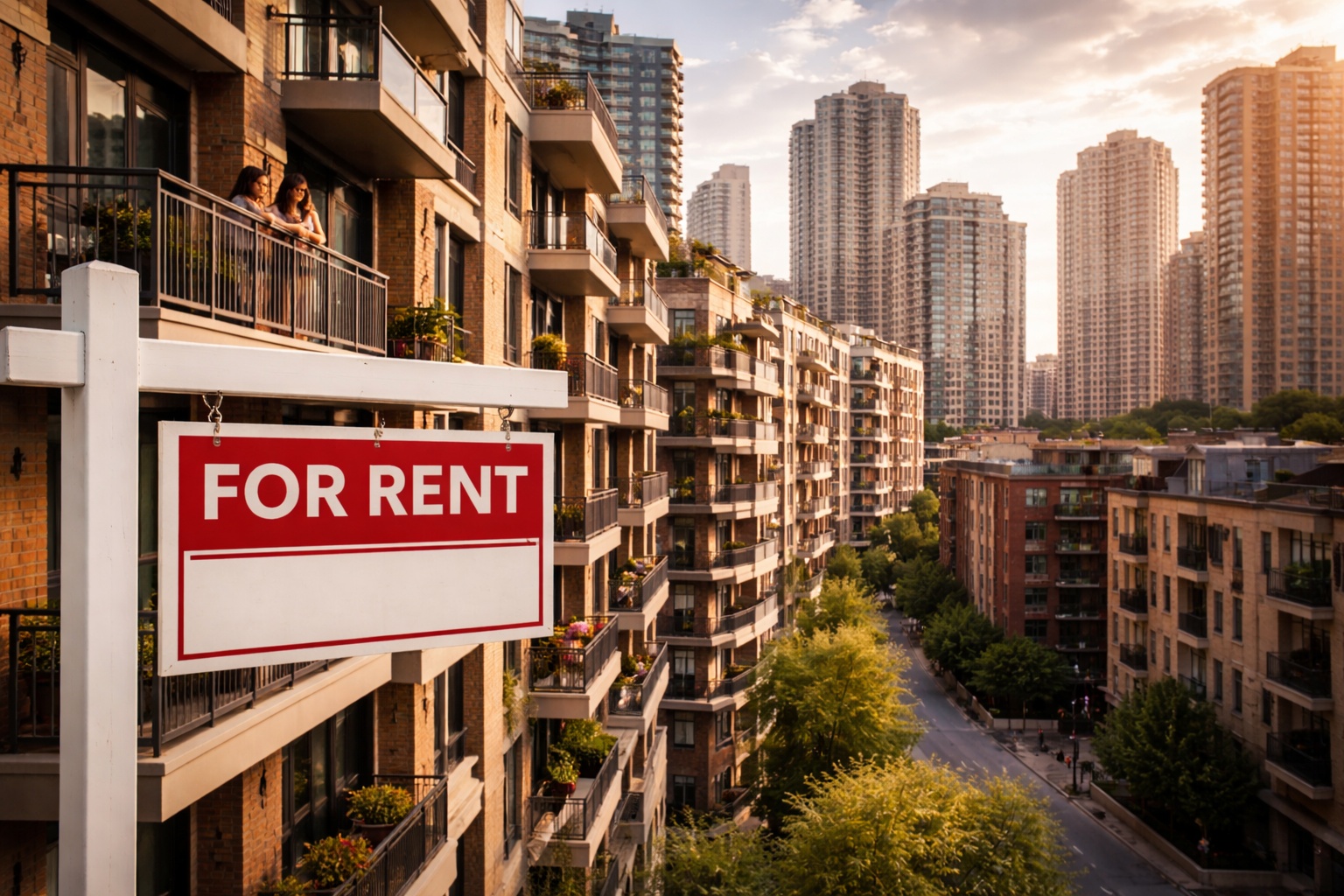
The U.S. rental market showed signs of cooling in late 2025 as a wave of new apartment construction pushed supply to its highest level since before the pandemic, easing upward pressure on rents in many major cities.
Data from national rental platforms indicates that rent growth has slowed considerably across urban markets, with several large metros reporting flat or declining asking rents compared to the same period last year. Analysts attribute the shift primarily to the completion of multifamily projects that were initiated during the construction boom of 2022 and 2023.
Cities such as Austin, Phoenix, and Nashville — which experienced rapid rent increases earlier in the decade — have seen some of the most pronounced moderation. In contrast, markets with stricter zoning regulations and limited construction pipelines continue to experience tighter conditions.
“Supply is finally catching up in several metros,” said a multifamily research analyst. “Tenants are gaining leverage, particularly in markets that added significant inventory.”
Vacancy rates have inched upward nationally, though they remain below long-term averages in many areas. Landlords are increasingly offering concessions such as free months of rent or reduced security deposits to attract tenants, a notable shift from the competitive leasing environment of recent years.
Despite the near-term cooling, economists caution that the relief may be temporary. Multifamily construction starts have declined in response to higher financing costs, suggesting that the current influx of supply could taper off in 2026.
At the same time, demand for rental housing remains structurally strong. Household formation, immigration, and affordability barriers to homeownership continue to support long-term rental demand, particularly among younger households.
Policy makers are closely monitoring rental trends as housing costs remain a key inflation component. Slower rent growth could help ease broader inflation pressures, influencing monetary policy decisions in the coming year.
For renters, the current environment offers a rare window of opportunity. Increased choice, negotiating power, and stabilizing prices have improved conditions after several years of rapid cost escalation.
As the market heads into 2026, analysts expect rental performance to diverge sharply by region, with supply-heavy metros experiencing continued softness while constrained markets remain competitive.