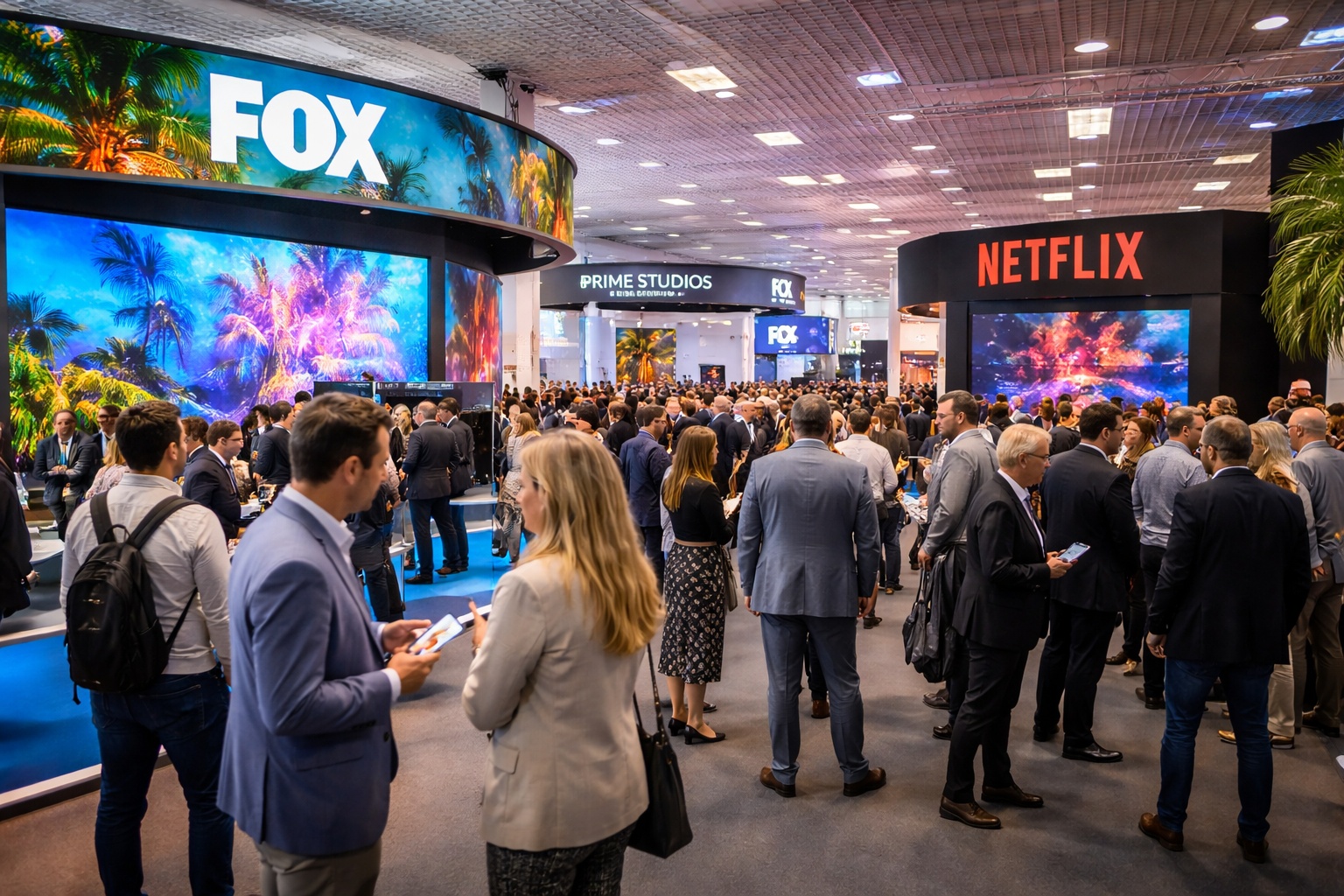
Mipcom 2025 offered a clear snapshot of how the global television industry is recalibrating after years of rapid expansion, streaming disruption, and shifting audience habits. Held in Cannes, the annual market once again served as a strategic meeting point for studios, networks, distributors, and platforms navigating a more measured era of content investment.
This year’s conversations reflected a noticeable pivot away from volume-driven programming toward sustainable, globally adaptable content. Executives emphasized that while demand for premium storytelling remains strong, buyers are now prioritizing projects with clearer international appeal, tighter budgets, and flexible distribution models.
One of the most discussed themes at Mipcom was the rise of international co-productions. Rather than relying solely on U.S.-centric storytelling, studios showcased projects developed from the outset to resonate across regions. Industry leaders noted that series designed for multi-territory success are increasingly favored by both traditional broadcasters and streaming platforms seeking to maximize return on investment (Variety).
Limited series and short-run formats dominated early buyer interest. These projects offer creative depth without long-term financial commitment, making them attractive in an environment where platforms are scrutinizing renewals more closely. According to executives speaking at the market, audiences continue to gravitate toward tightly written stories with defined endpoints rather than open-ended seasons (Deadline).
Star power remained an important factor, but with new constraints. While recognizable talent still helps projects stand out in a crowded market, buyers showed greater caution around cast-driven budgets. Several studios highlighted strategies that combine established actors with emerging creatives, allowing projects to maintain visibility without escalating costs (The Hollywood Reporter).
Unscripted programming also played a prominent role at Mipcom 2025. Reality formats, factual entertainment, and competition series with localization potential drew consistent interest. These genres continue to offer stability due to predictable production costs and strong international adaptability. Buyers emphasized formats that can be customized for regional audiences while maintaining core structure (Variety).
Another emerging topic was the role of technology and data in content development. Panels explored how analytics, audience forecasting tools, and AI-assisted workflows are being used to inform greenlighting decisions. While creative instincts remain central, studios are increasingly using data to refine storytelling approaches and reduce financial risk (Deadline).
Despite the cautious tone, the overall mood at Mipcom was far from pessimistic. Industry leaders repeatedly stressed that the market is not contracting but evolving. Rather than chasing rapid expansion, companies are focusing on long-term brand value, audience trust, and content that can travel across platforms and borders.
As Mipcom 2025 concluded, one message stood out: global television is entering a more disciplined, intentional phase. Creativity remains at the core, but success will increasingly depend on adaptability, efficiency, and international relevance heading into 2026.