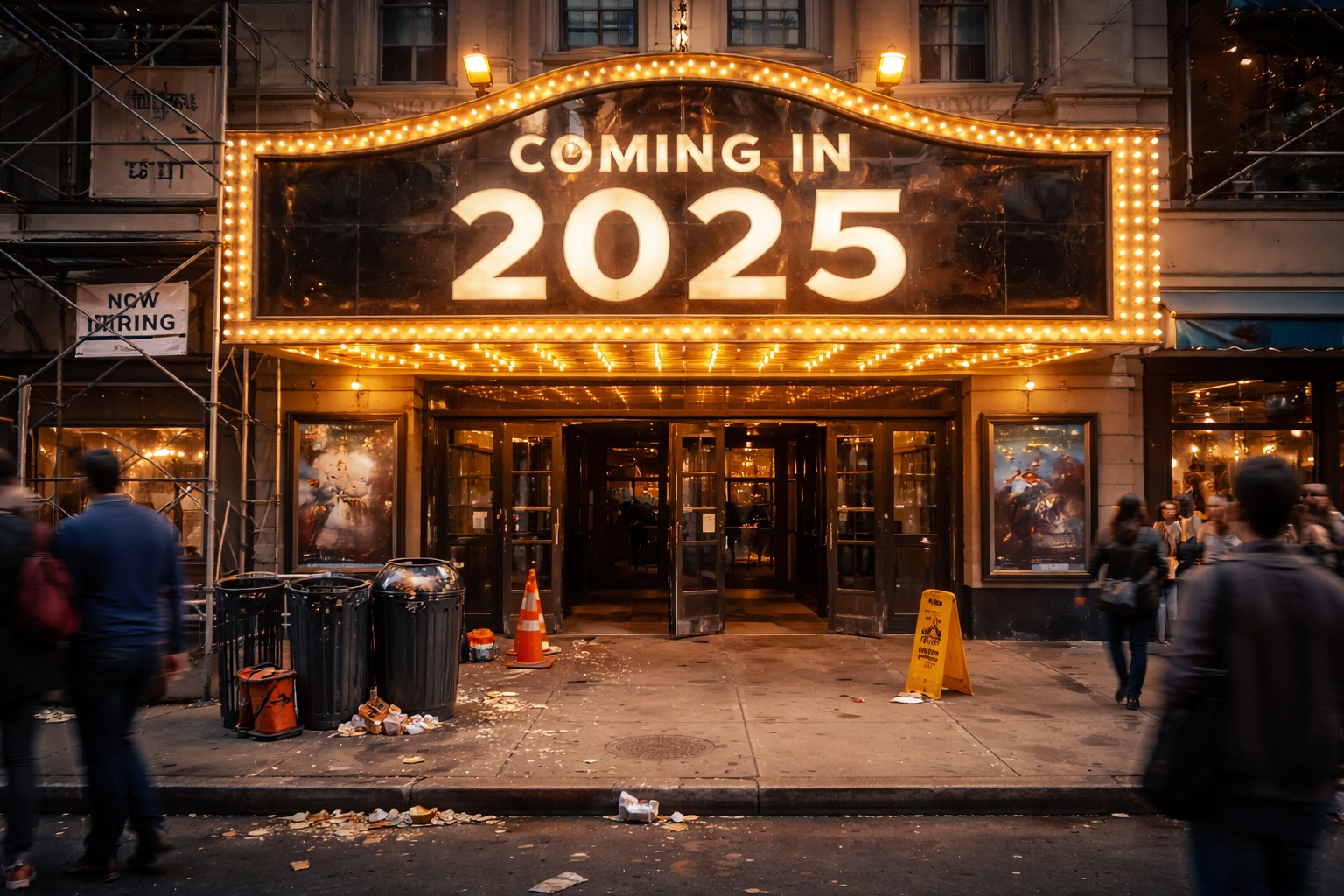
After years of volatility, 2025 emerged as a transitional period for the U.S. box office rather than a clean rebound. While total ticket sales did not return to pre-pandemic highs, the year marked a structural shift in how studios, exhibitors, and audiences approach theatrical releases.
Industry observers describe 2025 less as a comeback year and more as a recalibration. Instead of chasing record-breaking totals, studios prioritized sustainability—spacing releases more strategically and reducing reliance on high-risk, mega-budget franchises.
One of the most noticeable changes was the reshaped release calendar. Major studios avoided clustering tentpoles too tightly, giving films more breathing room in theaters. The result was longer theatrical legs for mid-budget titles and fewer weekend-to-weekend collapses, a trend exhibitors had been advocating for since theatrical attendance began its uneven recovery.
At the same time, ticket pricing strategies evolved. Premium large formats such as IMAX and Dolby Cinema continued to outperform standard screenings, reinforcing the idea that theatrical moviegoing increasingly leans on event-style experiences. While total attendance remained below historic norms, per-screen averages improved at premium venues, helping offset lower foot traffic overall.
Another defining feature of 2025 was the renewed importance of adult-driven releases. Dramas, thrillers, and prestige films—once considered risky theatrical bets—showed steadier performance compared to earlier post-pandemic years. Industry analysts attribute this to older audiences slowly returning to theaters, particularly for films positioned as cultural conversations rather than disposable streaming content.
Streaming’s influence on theatrical strategy also became clearer. Rather than replacing theaters, streaming platforms increasingly functioned as secondary windows that extended a film’s lifespan. Studios experimented with longer theatrical exclusivity for select titles, testing whether word-of-mouth momentum could translate into sustained streaming engagement weeks later.
Exhibitors, for their part, continued diversifying revenue streams. Many chains expanded food and beverage offerings, introduced subscription-style ticket programs, and hosted alternative programming—from live sports to classic film screenings—to keep auditoriums active during slower weeks.
While challenges remain, including rising operational costs and uneven regional attendance, the industry’s mood shifted noticeably in the second half of the year. Instead of chasing a return to the past, studios and theaters alike began designing a future built on more realistic expectations.
If 2025 proved anything, it is that the box office no longer needs to look like 2019 to be viable. Stability, rather than spectacle, may be the foundation of Hollywood’s next chapter.