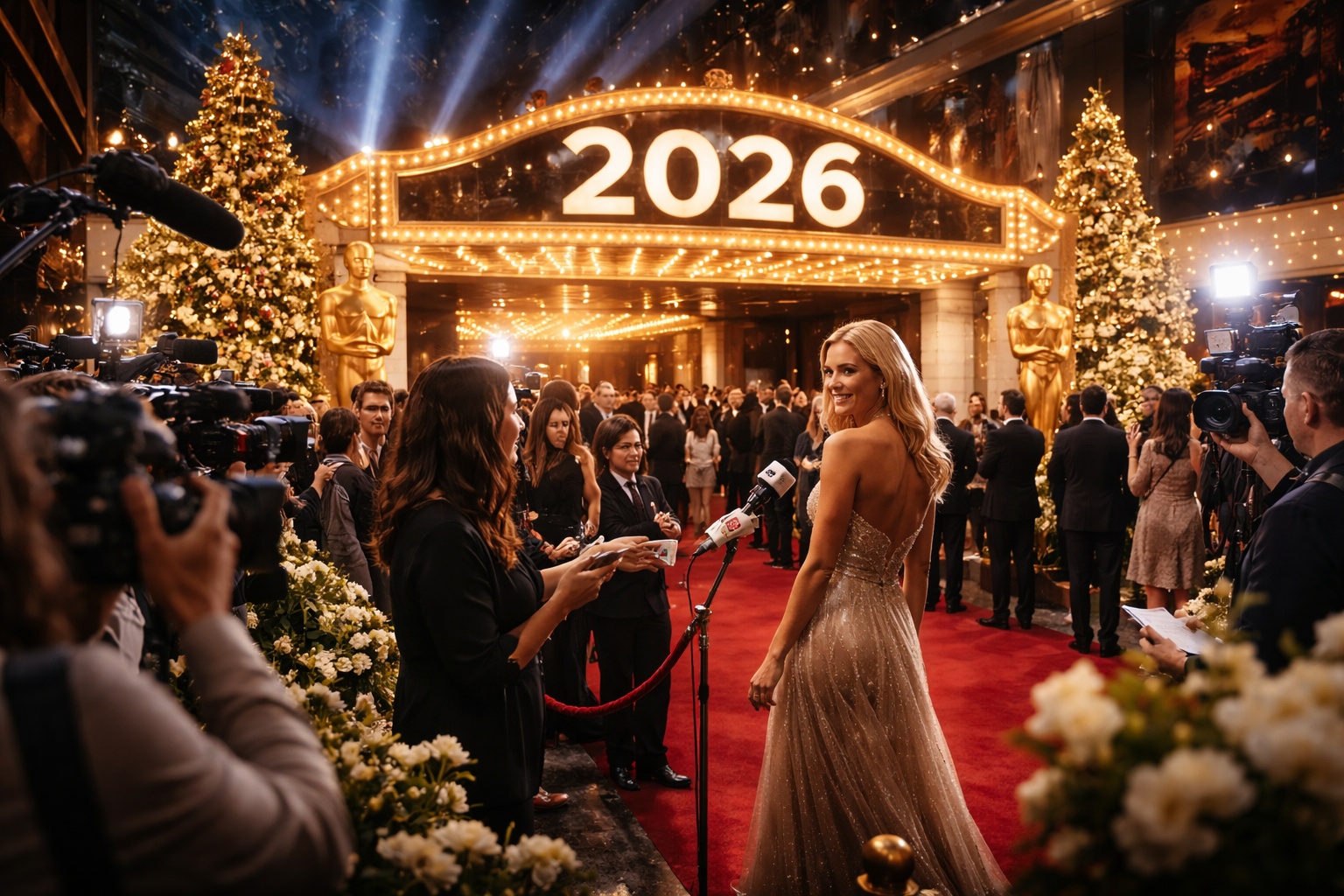
As awards season opened in early January 2026, Hollywood’s celebration of film and television looked notably different from years past. While the red carpets remained, much of the conversation unfolded across digital platforms rather than traditional media outlets.
Campaign strategies adapted to a more fragmented audience. Studios emphasized targeted outreach over large-scale events, focusing on social media engagement, virtual screenings, and direct communication with voters.
Industry insiders noted a reduced emphasis on spectacle. Lavish promotional budgets, once standard for awards contenders, were scaled back in favor of grassroots-style campaigning. This approach aligned with broader cost-conscious trends across entertainment.
The role of streaming platforms also continued to evolve. While streamers remained dominant contenders, theatrical-first releases regained visibility, benefiting from renewed appreciation for big-screen storytelling during the eligibility window.
Another shift emerged in voter behavior. With expanded and more diverse voting bodies across major awards organizations, nomination patterns reflected a wider range of genres and voices. Smaller films and unconventional formats found greater recognition than in previous years.
Television awards mirrored similar changes. Limited series and anthology formats dominated discussions, appealing to voters seeking complete narratives without long-term commitments.
From a broadcast perspective, awards telecasts continued grappling with viewership challenges. Networks experimented with shorter runtimes, tighter pacing, and integrated digital components to maintain relevance.
Despite these changes, the underlying purpose of awards season remained intact: recognizing creative excellence. The difference lay in how that recognition was achieved and shared with audiences.
As Hollywood enters 2026, awards season stands as both a reflection of the industry’s current realities and a testing ground for its future direction.